
Rat Noises In Walls | 24 Hour Licensed Trappers
Hearing Rat Noises in The Walls? How Rats Climb Down from the Attic in Atlanta Homes
Wildlife Control Atlanta
If you’ve been lying awake at night hearing scratching, scurrying, or light scampering sounds coming from inside your walls or ceiling, you’re not imagining it. Those are classic rat noises in the walls—one of the most common wildlife issues we handle across Metro Atlanta.
Many homeowners first notice the problem in the attic, then later hear the same activity traveling downward. Yes, rats can and do climb down the walls through wall cavities after entering via the attic. Understanding how this happens is the first step toward solving it for good.
Our Licensed Trappers have years of training and stay updated on Nuisance Wildlife Removal and Wildlife Control, with the State of Georgia. Our on-call Nuisance Wildlife Trappers are spread out through Atlanta, GA, Northeast Georgia, Northwest, GA, and as far North as the Blue Ridge Mountains; because we understand the 24 Hour need for Nuisance Wildlife Removal, in Atlanta, GA, and are Fast, Efficient, & Affordable! *Proudly training and employing U.S. Veterans!
Slide the Photos and Choose Your Unwelcome Pests Now!

24 Hour Rat Removal &
Rat Control Services, In Atlanta, GA!
On-Call Nuisance Trappers
DNR Co. Permit #93265908
Click-to-Call: (770) 895-5422
How Rats Reach Your Attic in the First Place
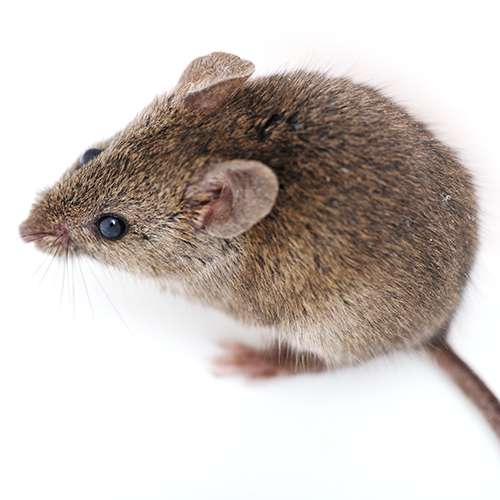
Roof rats (the most common species we see in Atlanta’s tree-lined neighborhoods) are excellent climbers. Atlanta’s mild climate, mature trees, power lines, vines, and older housing stock give them plenty of pathways. They scale textured exterior walls (brick, stucco, wood siding), drainpipes, utility lines, and tree branches that touch the roofline. From there they squeeze through gaps as small as a quarter in soffits, fascia boards, vents, or around plumbing penetrations.
Once inside the attic, they find warmth, shelter, and nesting material in the insulation. A single pair can produce multiple litters quickly, turning occasional sounds into a full infestation.
Can Rats Climb Down the Walls from the Attic?
Absolutely. Rats are agile enough to move both up and down vertical surfaces that offer any grip. Their sharp claws, textured paw pads, strong legs, and balancing tails let them navigate rough surfaces and structural elements with ease.
Inside your home, they don’t need a perfectly climbable finished wall. Instead, they travel through:
- Wall cavities and voids between studs
- Gaps around pipes, wiring, and ductwork
- Spaces behind ceilings and under insulation
- Openings they chew through drywall or other materials
It’s common for rats nesting in the attic to later appear on lower floors. Homeowners often first hear rat noises in the walls at night—light, rapid scurrying, scratching as they climb, or gnawing—then notice droppings, grease marks, or activity in kitchens and bathrooms days or weeks later. The attic becomes a highway, and the walls become their vertical routes.
Norway rats (the bulkier, more ground-oriented species) can also move upward through foundations and then into walls, but roof rats are the primary attic-to-wall travelers in our area.
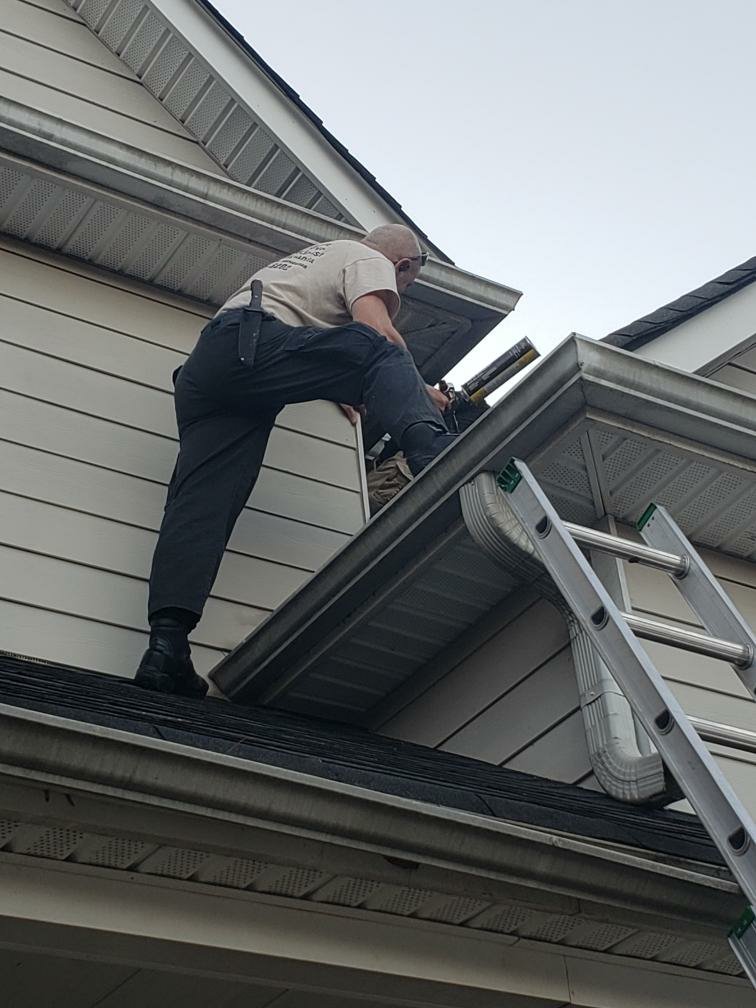
Wildlife Exclusion Work
Recognizing Rat Noises in the Walls
Rat activity is almost always nocturnal, peaking shortly after sunset. Typical sounds include:
- Light, fast scurrying or scampering
- Scratching as claws grip wood, drywall, or insulation
- Occasional gnawing or rustling of nesting materials
- Movement that seems to travel up or down the wall
These differ from heavier thumping (raccoons) or daytime activity (squirrels). If the noises move between the attic and lower walls, rats are using the structure’s voids to travel.
Other signs that often accompany the sounds: droppings, urine odor, disturbed insulation, chewed wires (a serious fire hazard), and greasy rub marks along travel paths.
Why This Matters for Atlanta Homeowners
Left unchecked, rats contaminate insulation with droppings and urine, damage wiring and plumbing, and create ongoing health risks. What starts as faint rat noises in the walls can escalate into expensive repairs and a larger colony.
Atlanta’s environment makes prevention especially important—overhanging branches, dense landscaping, and seasonal weather changes all encourage rats to seek indoor shelter.
24 Hour Dispatch Rat Removal Emergency Services!
DNR Co. Permit #93265908
Click-to-Call: (770) 895-5422
What You Should Do If You Hear Rat Noises in the Walls
- Don’t ignore it. Activity usually increases over time.
- Avoid sealing entry points while rats are still inside. Trapping them first prevents odors from animals dying in inaccessible voids.
- Remove attractants. Store food in sealed containers, secure trash, eliminate outdoor pet food, and reduce clutter.
- Trim vegetation. Keep tree limbs and vines at least 6–8 feet from the roofline.
- Call our professionals for inspection and exclusion. A thorough attic and exterior inspection identifies every entry point, confirms the species, and allows for humane trapping followed by permanent sealing with rodent-proof materials (hardware cloth, metal flashing, etc.). Expanding foam alone is not enough—rats chew through it.
At Wildlife Control Specialist of Atlanta, we specialize in these exact situations. Our licensed trappers provide free local inspections, targeted removal, and long-term exclusion so the rat noises in the walls stop for good—and stay stopped.
If you’re hearing those nighttime sounds right now, don’t wait. Early action protects your home, your family’s health, and your peace of mind. Contact a qualified wildlife control specialist serving the Atlanta area for a professional assessment today.
Hearing rat noises in the walls is more than an annoyance—it’s a clear signal that rats have found a pathway from the attic downward. With the right knowledge and prompt action, you can reclaim your home.
Call Today To Schedule Your Free Attic Inspection
DNR Co. Permit #93265908
Click-to-Call: (770) 895-5422

